Most people wear only 20% of their clothes. The remaining 80% lies dormant behind closed closet doors. This is the most under-discussed inefficiency in personal finance. Digitising your wardrobe converts that dormant textile capital into clear, actionable data.
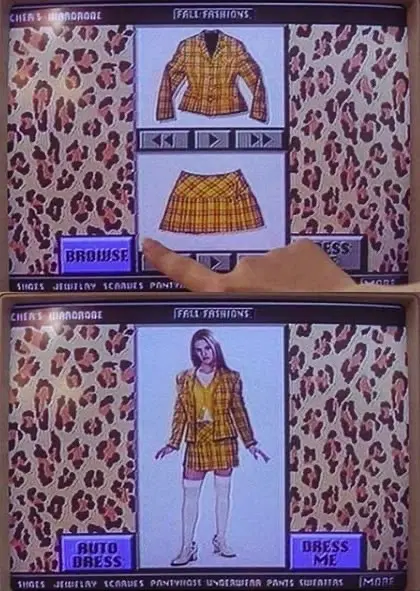
The digital wardrobe ecosystem has matured. No longer crude dress-up simulators, modern wardrobe apps range from community hubs to rigorous data tools. Depending on whether you prioritise aesthetic inspiration, manual tracking, or financial metrics, here is how the top options compare, in no particular order:
Whering: The Social Closet
Whering has built its reputation on visual appeal and community engagement. Positioned heavily around sustainable fashion, it offers a digital inventory system alongside a platform to share outfit inspiration and browse friends' closets.
- The Mechanics: Users snap photos of their clothes, and Whering’s background-removal tool cleans them up to build a visual closet. You can build outfit collages, set calendar outfits, and browse a community feed.
- The Strengths: It is entirely free and accessible on both iOS and Android. Its strength lies in social discovery and visual organisation.
- The Reality: While excellent for social sharing, its outfit generation remains relatively basic, and its core utility leans more toward daily outfit planning than rigorous asset analytics.
Stylebook: The Traditionalist’s Database
Stylebook is one of the original players in the digital closet space. Built for users who prefer total manual control, it functions more like a personal spreadsheet than a modern social platform.
- The Mechanics: Every item must be manually photographed, catalogued, and tagged with purchase dates, prices, brands, and care instructions.
- The Strengths: It charges a single upfront cost rather than a recurring monthly subscription, and it operates entirely ad-free. It provides deep, granular tracking for users who enjoy logging every detail.
- The Reality: The setup requires a substantial time investment, often taking days to properly catalogue a full wardrobe. Its user interface has aged, and it lacks automated background removal or AI auto-tagging, leaving all data entry to the user.
Indyx: Human Styling Meets Inventory
Indyx approaches digital wardrobe management by pairing a digital closet with real-world human stylists.
- The Mechanics: Users can digitise items via receipt forwarding or manual photo uploads. Indyx provides baseline cost-per-wear tracking and offers paid add-ons where professional stylists look through your digitised closet to build personalised lookbooks.
- The Strengths: The option to connect real human stylists to your actual clothes provides a human touch that algorithm-only apps miss. They also offer white-glove cataloguing services in select cities.
- The Reality: Access to full features and human lookbooks requires paid subscriptions or one-off styling fees, making it a higher-investment tool over time.
Acloset: Fast AI Cataloguing
Acloset focuses heavily on lowering the barrier to entry for wardrobe digitisation using AI feature tagging.
- The Mechanics: As you take photos of your garments, the app attempts to auto-tag categories, colours, and seasons automatically, speeding up the initial setup process.
- The Strengths: It supports cross-platform access via iOS, Android, and web, making it accessible for users who want fast uploads with minimal manual data entry.
- The Reality: The free tier includes ads and item caps, while deeper features require a recurring monthly plan.
Wdrbe: Wardrobe Analytics & AI Styling
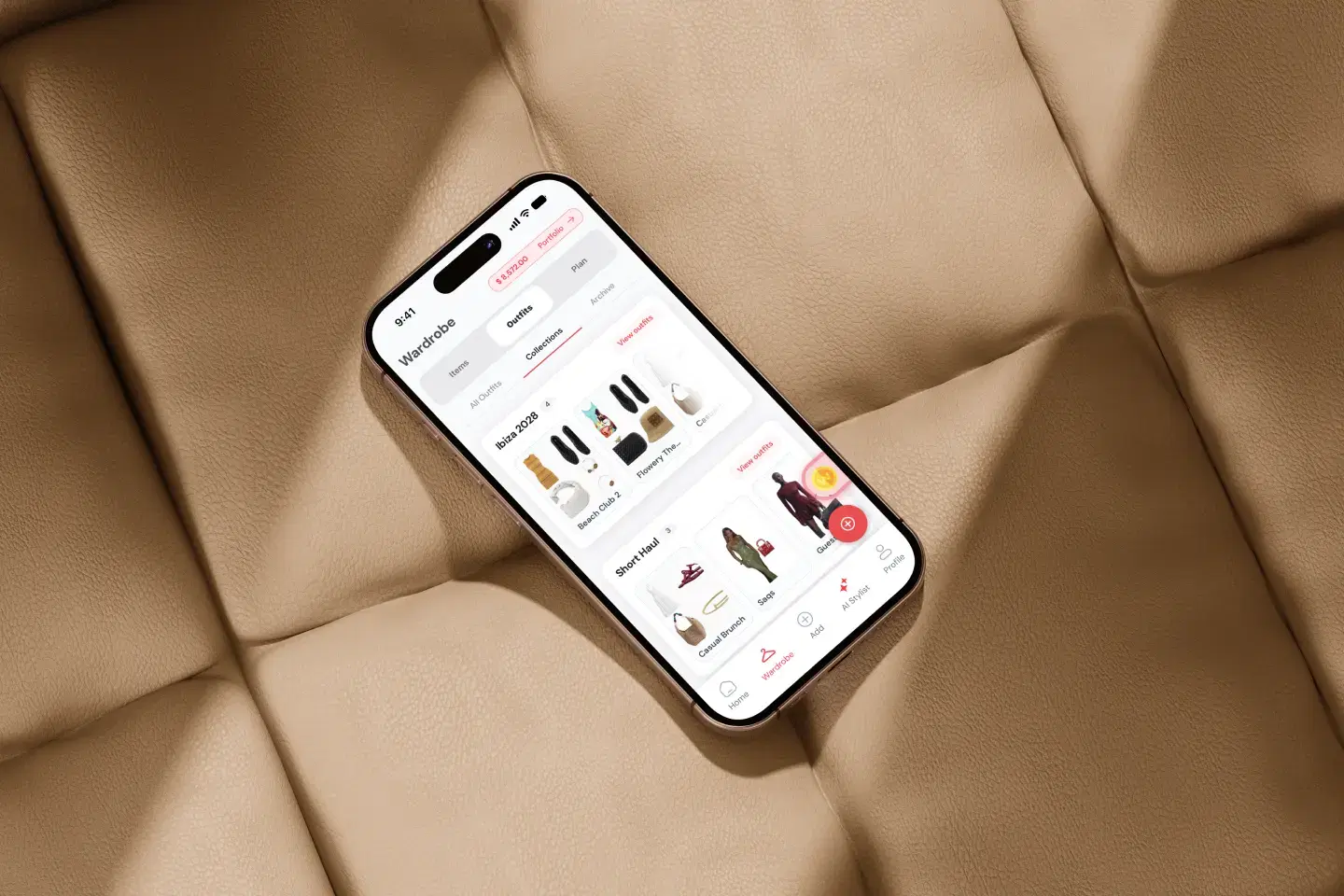
Where traditional closet apps focus on styling utility or social feeds, Wdrbe operates differently. It is engineered specifically as a wardrobe analytics platform that treats your closet as a valuable portfolio.
- The Mechanics: Wdrbe automates wear math — calculating the exact cost-per-wear of every garment by pairing purchase price against real-world frequency. It monitors item inactivity, identifies portfolio gaps, and surfaces total closet valuation without requiring hours of manual entry.
- The Strengths: It replaces subjective style advice with clear, objective data. By measuring garment depreciation, utilisation rates, and true cost-per-wear ($500 coat worn 200 times vs. $40 top worn twice), Wdrbe gives you receipts on your fashion investments without preachy lectures or finance jargon.
- The Reality: It is built for those who value utility and financial clarity as much as styling.
Alta: Automated Receipt-Parsing & Generative Styling
Alta focuses on lowering the friction of digitisation by integrating directly into your inbox to build your digital closet automatically.
- The Mechanics: The app syncs with digital receipts to automatically extract product imagery, brand details, and purchase costs directly into your account, bypassing the need to photograph items individually. It then utilises generative AI to render digital outfit combinations.
- The Strengths: It significantly reduces the initial upload hurdle for frequent online shoppers who want to avoid manual photo capture.
- The Reality: Because it relies heavily on parsing digital receipts, older or second-hand items bought offline still require manual uploads. Additionally, AI-generated outfit renderings can occasionally misinterpret fabric drape or actual fit.
Fits: The Interactive Dressing Room
Fits focuses on visual outfit creation with interactive mood boards and digital mannequin swiping.
- The Mechanics: Items are catalogued via camera roll upload or web clipping. Outfits are generated either through freeform collages or a “Dressing Room” interface that lets users swipe through layers on a digital silhouette.
- The Strengths: Offers unlimited item storage on its free tier and provides a highly visual, tactile way to experiment with combinations before getting dressed.
- The Reality: It prioritises aesthetic experimentation and daily outfit logging over deeper wear-cost math or long-term financial portfolio tracking.
Choosing the Right Utility
The best wardrobe app is the one that survives past the initial setup wall. If you want a social platform to share outfits with friends, Whering offers a visual starting point. If you want a one-time purchase to track every garment manually, Stylebook holds data well. But if your goal is to understand the true financial math of what you own, buy better, and unlock the value sitting on your hangers, a dedicated analytics platform like Wdrbe gives you the receipts.