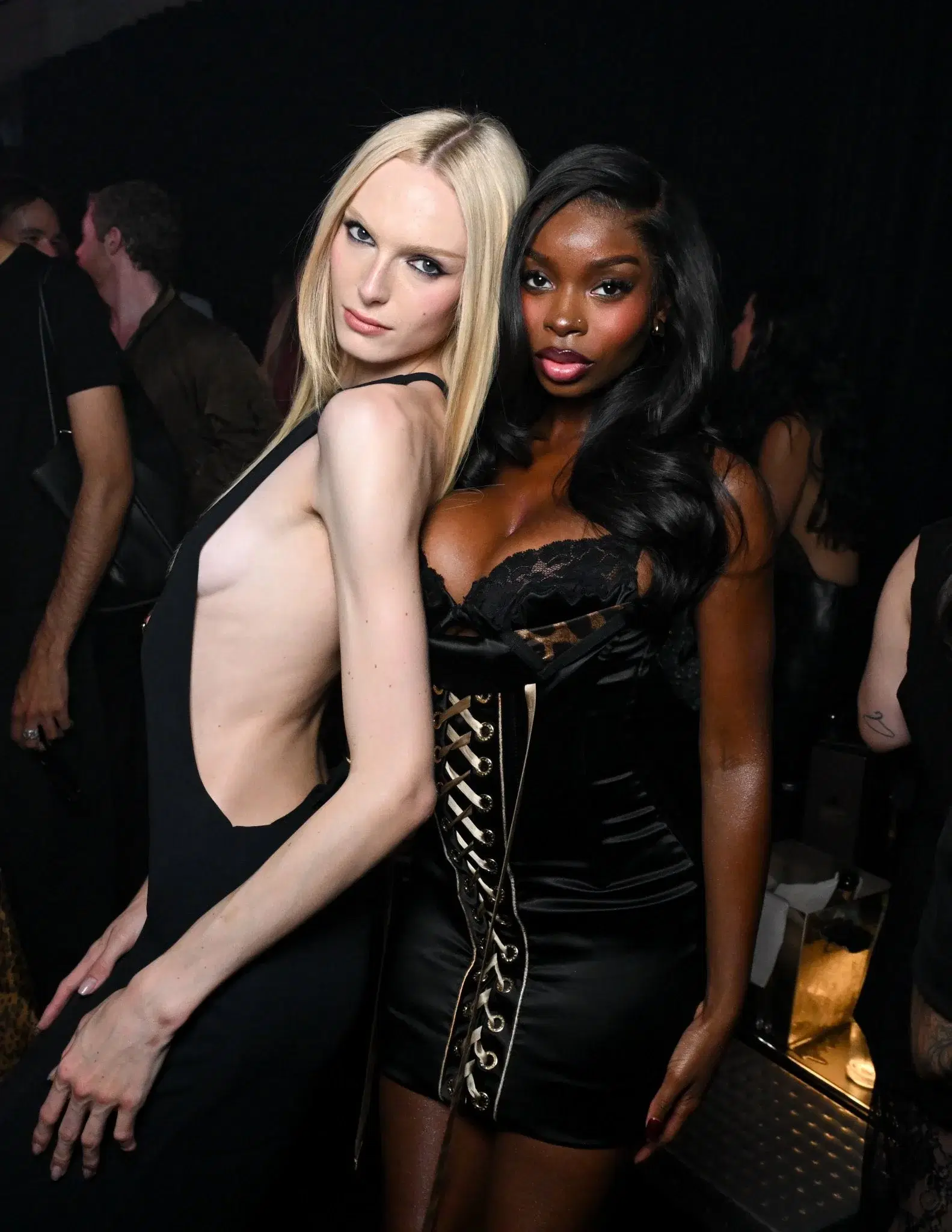
Fashion Month has officially wrapped, leaving behind a trail of high-octane theatre: the razor-sharp tailoring at Anthony Vaccarello’s Saint Laurent, the cerebral deconstruction of Maison Margiela, and the romantic, historical subversions of Vivienne Westwood. The recaps are flooded with runway micro-trends, dramatic silhouettes, and vibrant colour palettes designed to create instant urgency. But before you open new tabs, save wishlists, or drop a piece from the new John Galliano x Zara Re{form} collection into your cart, there is a fundamental metric every intentional dresser should run first: Cost Per Wear (CPW).
For an industry built on perpetual consumption, Cost Per Wear is the ultimate truth-teller. It bridges the gap between what a garment costs on paper and what it actually delivers in real life.
What Is Cost Per Wear?
Cost Per Wear is a simple financial formula that measures the true value of an item based on how frequently you actually wear it, rather than its initial price tag.
CostPerWear=TotalPurchasePriceTotalNumberofTimesWorn
A high upfront price tag does not automatically make an item expensive, just as a low sticker price doesn’t make something a bargain. True value in fashion is determined by utility over time.
The Breakdown:
To understand how CPW dictates true wardrobe value, consider a standout piece from John Galliano’s debut Re{form} capsule with Zara—the now-sold-out Inverted Poplin Shirt. It is a quintessential Galliano design: deconstructed, historical tailoring re-engineered from Zara's fast-fashion archives into an avant-garde staple.
At roughly $180, it sits at a higher price point for high-street retail, but lower than traditional luxury. How does its CPW stack up against a standard $40 trend top?
Metric | $40 Fast-Fashion Trend Top | $180 Galliano x Zara Inverted Shirt |
Purchase Price | $40.00 | $180.00 |
Styling Range | Single-occasion trend pairing | Multi-scenario (layering piece, hero top, outerwear) |
Total Times Worn | 2 wears | 45 wears across two seasons |
Real Cost Per Wear | $20.00 / wear | $4.00 / wear |
The Galliano x Zara piece functions as a layering element under tailored outerwear, a standalone hero top with relaxed denim, or an inverted jacket over evening wear, thanks to its architectural cut and versatile shirting poplin. Although it comes with a $140 higher upfront price, its ability to be styled in multiple scenarios significantly reduces its real cost per wear compared to a fast-fashion impulse buy.
Why CPW Matters Post-Fashion Week
Fashion Week creates artificial urgency. It tricks your brain into evaluating garments based on novelty rather than integration. Calculating Cost Per Wear forces you to ask three critical questions before adding anything new to your closet:
- Does this integrate into my existing wardrobe? If a piece requires buying three other new items just to make one complete outfit, its hidden CPW skyrockets.
- Will this survive a trend cycle? High CPW items are usually short-lived statement pieces that lack long-term versatility.
- Am I paying for quality or just hype? Lowering CPW requires physical durability—stitching, fabric weight, and tailoring that can survive dozens of washes and wears.
Mastering Wear Math with Wdrbe
While the math behind Cost Per Wear is straightforward, tracking it manually in spreadsheets or notebooks is tedious and unsustainable. This is where Wdrbe elevates closet management from guesswork to actionable intelligence.
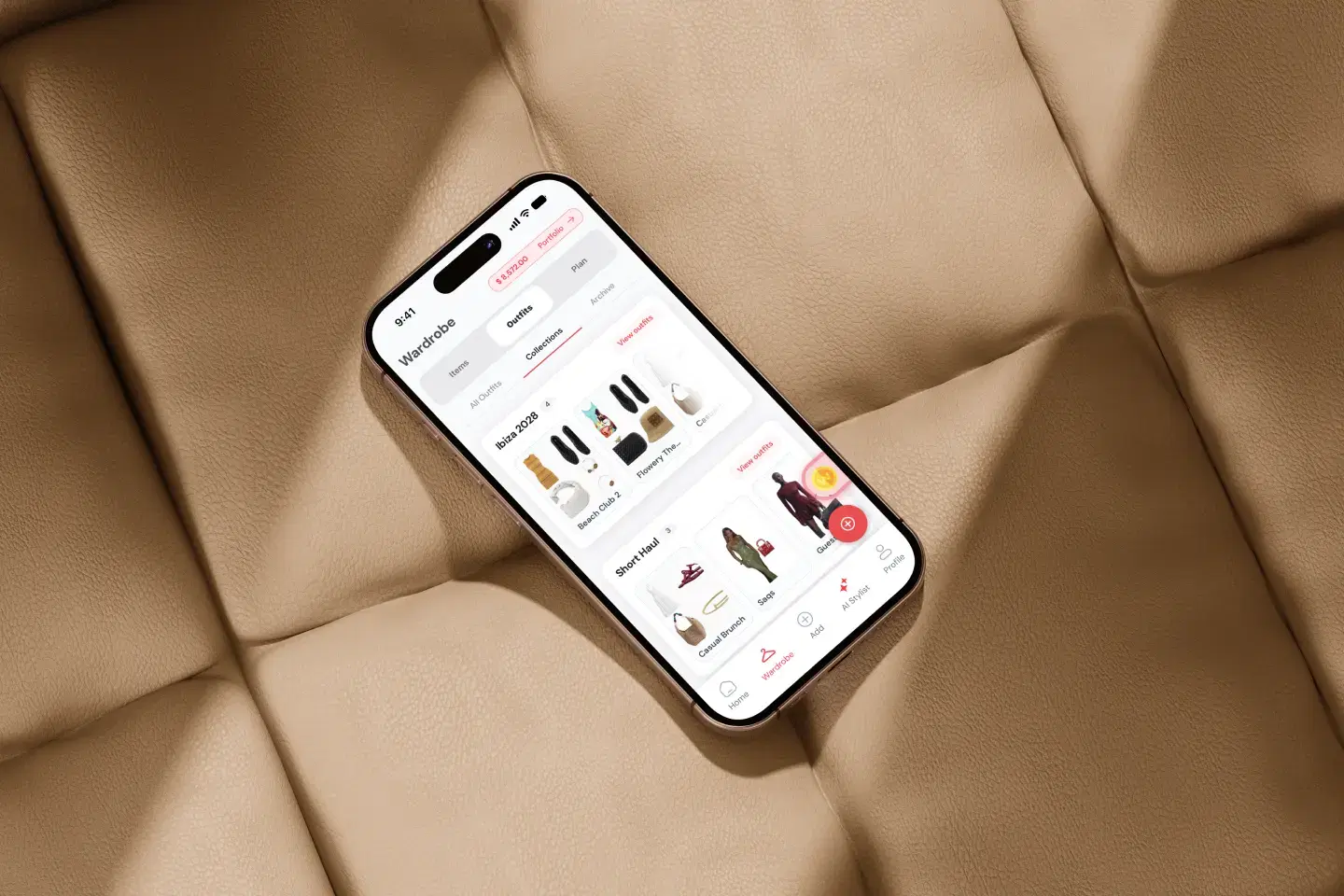
Wdrbe is the editorial-grade digital wardrobe index that turns your physical closet into an organised asset portfolio right on your device. Here is how Wdrbe automates wear math so you can shop smarter post-Fashion Week:
- Automated CPW Tracking: Every time you log an outfit on Wdrbe, the app updates the Cost Per Wear for every garment involved, showing you real-time value metrics without manual math.
- Dormancy Alerts: Wdrbe flags garments that haven’t been worn in over 100 days. Seeing which past impulse buys are sitting at a high CPW prevents you from making similar shopping mistakes with new runway trends.
- Versatility Testing on the Canvas: Before purchasing a new trend-led piece — like a deconstructed Galliano poplin — upload its image to Wdrbe's styling canvas. Test whether it pairs into five distinct looks with garments you already own to guarantee a low future CPW before spending a single dollar.
- True Closet Utility: Wdrbe calculates the active value of your entire collection versus dormant inventory, ensuring your wardrobe remains a streamlined, functional asset.
The Fashion Game is in Your Hands
Shopping post-Fashion Week can be about intentionality. When you understand Cost Per Wear and leverage tools like Wdrbe to track your inventory, you stop chasing fleeting trends and start building a high-utility, timeless wardrobe that works for you.